

Oil, Geopolitics and the New Global Energy Transition
Key Figures
- 303 billion barrels
- Venezuela holds the largest proven oil reserves in the world, representing roughly 17% of global reserves.
- 2 million barrels per day
This was Venezuelas oil production in the late 1990s, one of the highest levels in its history.
- Approximately 900,000 barrels per day
Approximate production in recent years, far below the countrys potential energy capacity.
- More than 90% of exports
Historically, oil has accounted for the overwhelming majority of Venezuelas export revenues.
- More than USD 60 billion
This is the approximate amount of financing and investment China has extended to Venezuela over the past two decades, often through oil-backed loans.
For more than a century, oil stood at the center of the international system. It fueled industrial growth, powered global transportation and shaped the geopolitical balance of the twentieth century. Today the world is entering an energy transition that promises to transform the global economy. Yet the geopolitics of energy is not disappearing. It is evolving.
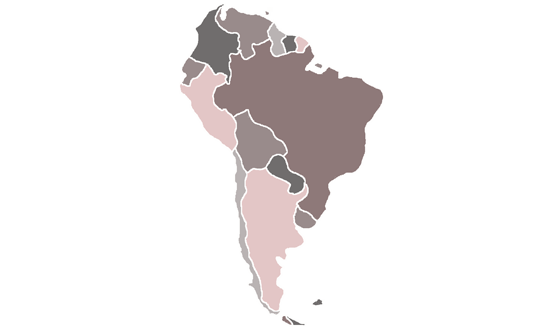
Few places illustrate this transformation better than Venezuela. Once one of the most important oil producers in the Western Hemisphere, the country now stands at the intersection of three major forces shaping the twenty-first century: the decline of the traditional oil economy, the global energy transition and the strategic rivalry between the United States and China.
The question facing policymakers is no longer simply how Venezuela will recover economically. The deeper question is how the country fits into a global system where energy, technology and geopolitics are rapidly changing.
The Country with the Largest Oil Reserves on Earth
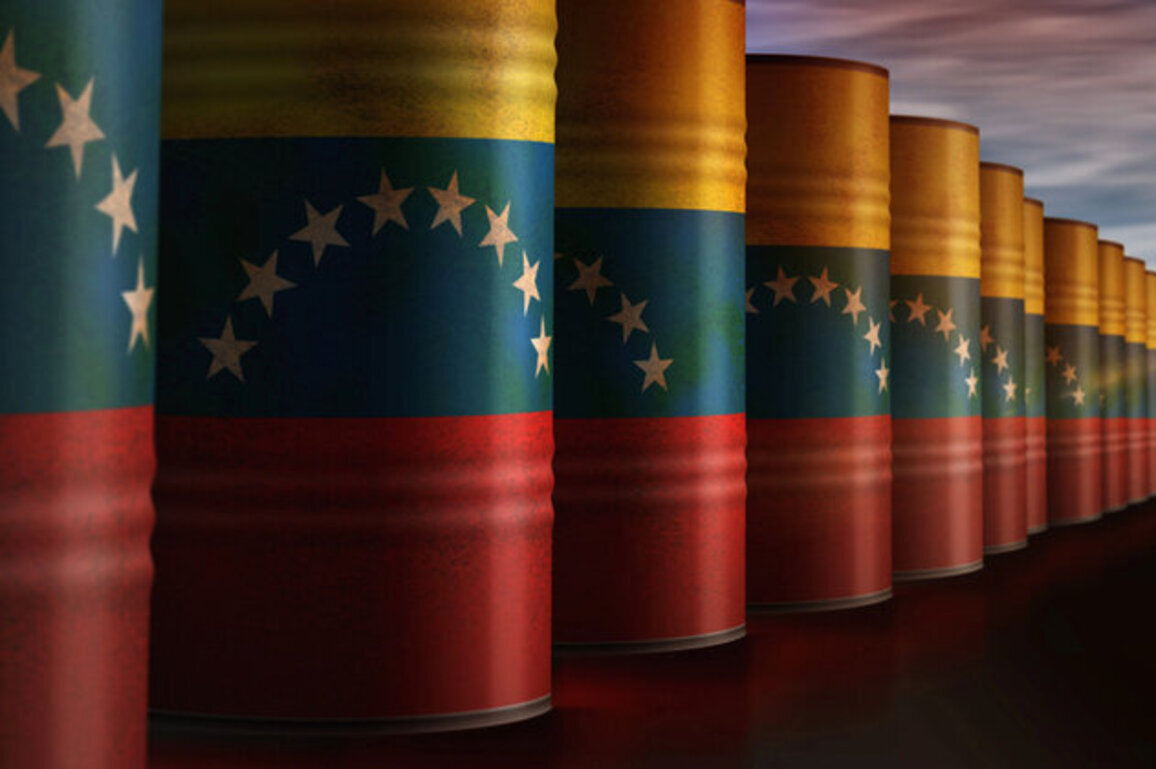
Venezuela possesses one of the most extraordinary energy endowments in the world. According to data from the Organization of the Petroleum Exporting Countries (OPEC), the country holds more than 300 billion barrels of proven oil reserves, the largest on the planet.
For decades, oil shaped nearly every dimension of Venezuelan society. At its peak in the late 1990s, the country produced more than 3.2 million barrels of oil per day, making it one of the most significant suppliers in global markets.
Oil revenues funded public spending, infrastructure and social programs. They also made Venezuela highly dependent on the fluctuations of international energy markets. By the early 2000s, oil accounted for more than 90 percent of the countrys export earnings.
Yet this wealth also created vulnerabilities. Economic dependence on a single commodity left the country exposed to price volatility, political instability and structural inefficiencies within the national oil industry.
Over the past two decades, production collapsed due to a combination of underinvestment, sanctions, management failures and broader political turmoil. At various points during the 2020s, Venezuelan oil production fell below 800,000 barrels per day, dramatically reducing its role in global energy markets.
Even so, the countrys reserves remain enormous. In an energy-hungry world, such reserves are impossible for major powers to ignore.
Energy and Geopolitics in the Western Hemisphere
The strategic importance of Venezuelan oil is closely tied to the broader geopolitics of the Western Hemisphere.
For most of the twentieth century, the United States was Venezuelas principal trading partner and the largest buyer of its oil. American refineries were specifically designed to process Venezuelan heavy crude, creating a deep economic relationship between the two countries.
Energy security has long been a central concern for Washington. Although the United States has dramatically increased its own oil production in recent years (becoming the worlds largest oil producer) global energy markets remain interconnected. Disruptions in one region can affect prices and supply chains worldwide.
Sanctions, political tensions and diplomatic disputes have shaped the U.S.Venezuela relationship for years. Yet the underlying reality remains clear: Venezuela sits on an immense pool of energy resources only a few days shipping distance from the largest economy in the world.
This geographical proximity has always given Venezuela a strategic significance that extends far beyond its borders.
China Enters the Energy Map of Latin America
If the twentieth century was defined by U.S. influence in the Western Hemisphere, the twenty-first century is witnessing the arrival of a new actor: China.
Over the past two decades, China has expanded its economic presence across Latin America through trade, infrastructure investment and energy partnerships. Venezuela became one of the most prominent examples of this engagement.
Since the early 2000s, Chinese financial institutions have extended more than 60 billion dollars in loans and investments to Venezuela, often structured around oil-for-finance agreements. Under these arrangements, Venezuelan crude was shipped to China as repayment for development financing.
For Beijing, Venezuela offered both energy security and geopolitical opportunity. Access to long-term oil supplies helped diversify Chinas energy imports, while investments strengthened its presence in a region historically influenced by Washington.
For Caracas, Chinese financing provided a crucial source of capital at times when access to Western financial markets was limited.
This relationship illustrates a broader shift in the global energy landscape. The competition between the United States and China increasingly extends beyond trade and technology into strategic resources and energy infrastructure.
The Energy Transition and the Future of Oil
At the same time, the global energy system itself is undergoing a profound transformation.
Renewable energy technologies (particularly solar and wind) have expanded rapidly in recent years. Global investment in energy transition technologies exceeded 1.7 trillion dollars in 2023, according to BloombergNEF.
Electric vehicles are another powerful driver of change. More than 14 million electric cars were sold worldwide in 2023, accelerating the electrification of transportation.
Many governments have committed to reducing carbon emissions, investing heavily in renewable power generation and electrified infrastructure. The International Energy Agency estimates that global investment in clean energy could surpass 4 trillion dollars annually by 2030.
Yet oil remains a central pillar of the global economy. The world still consumes approximately 100 million barrels of oil per day, and hydrocarbons continue to supply more than half of global energy demand.
Energy transitions historically unfold over decades, not years. Coal dominated the nineteenth century, oil reshaped the twentieth, and electricity and renewables are gradually expanding their role in the twenty-first.
In this context, Venezuelas oil reserves remain strategically relevant even as the global system evolves.
Critical Minerals and the New Energy Race
The emerging energy system is not defined only by renewable electricity. It is also shaped by a new set of strategic materials.
Electric vehicles, batteries and renewable energy infrastructure require large quantities of minerals such as lithium, copper, nickel and rare earth elements. The International Energy Agency estimates that demand for certain critical minerals could increase sixfold by 2040.
Lithium demand alone could increase up to forty times over the same period as electric mobility expands globally.
Copper plays an equally vital role. An electric vehicle requires roughly three to four times more copper than a conventional internal-combustion car, while renewable energy installations depend heavily on extensive electrical networks.
These materials are creating a new geopolitics of resourcesone in which supply chains, mining capacity and technological capabilities become central strategic assets.
Infrastructure and the Architecture of Power
Energy systems are not defined only by resources. They depend equally on infrastructure.
Global electricity networks extend across more than 80 million kilometers of transmission lines, connecting power plants with cities, industries and digital infrastructure.
Modernizing and expanding these grids will require enormous investment. Estimates suggest that global spending on electricity networks alone could exceed 20 trillion dollars in the coming decades.
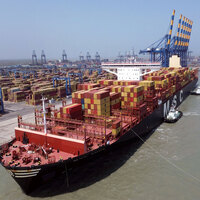
Energy trade remains a cornerstone of the global economy. Roughly 10 percent of global trade flows are directly related to energy products, from oil and gas shipments to refined fuels and electricity.
Such interdependence creates both opportunities and vulnerabilities. Control over infrastructure (pipelines, ports, refineries and power grids) can translate into geopolitical influence.
Venezuela in the New Global Energy Landscape
In this evolving energy system, Venezuela occupies a paradoxical position.
On the one hand, the countrys oil-dependent economic model faces structural challenges in a world moving gradually toward electrification and lower-carbon energy sources.
On the other hand, its vast reserves remain a strategic asset in an energy market that still depends heavily on hydrocarbons.
The future of Venezuela will depend not only on internal political and economic reforms but also on how the country navigates the shifting global balance between traditional energy resources and emerging technologies.
If stability returns and investment flows resume, Venezuela could once again become an important energy player. If not, its immense reserves may remain largely untapped while other regions shape the future of global energy.
A Darwinian Lesson about Power and Energy
Annotated Bibliography
- International Energy Agency (IEA) World Energy Outlook
Flagship annual report is widely considered one of the most authoritative global references on energy trends, energy transition, and long-term projections of demand for oil, gas, electricity, and renewable energy.
- BloombergNEF Energy Transition Investment Reports
Detailed analyses of global investment flows in the energy transition, including electrification, renewable energy deployment, and emerging clean-technology sectors.
- Organization of the Petroleum Exporting Countries (OPEC) Annual Statistical Bulletin
Key statistical publication on global oil reserves, production levels, and dynamics of international energy markets. It confirms that Venezuela holds the worlds largest proven oil reserves.
- S. Energy Information Administration (EIA) International Energy Statistics
Comprehensive database covering global energy production, oil and gas trade, energy consumption patterns, and the evolution of international energy markets.
- World Bank Minerals for Climate Action
Major study examining the role of critical minerals such as lithium, copper, cobalt, and rare earth elements in the global energy transition and low-carbon technologies.
- Center for Strategic and International Studies (CSIS) Energy and Geopolitics
Strategic analyses exploring the relationship between energy resources, international security, and geopolitical competition among major global powers.
- International Renewable Energy Agency (IRENA) Global Energy Transformation
Report analyzing the global expansion of renewable energy, the electrification of economies, and long-term energy transition scenarios toward the middle of the 21st century.
Mauricio Herrera Kahn