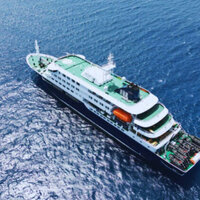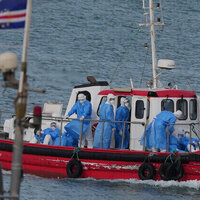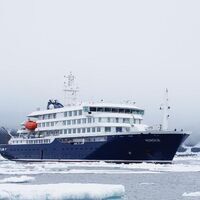


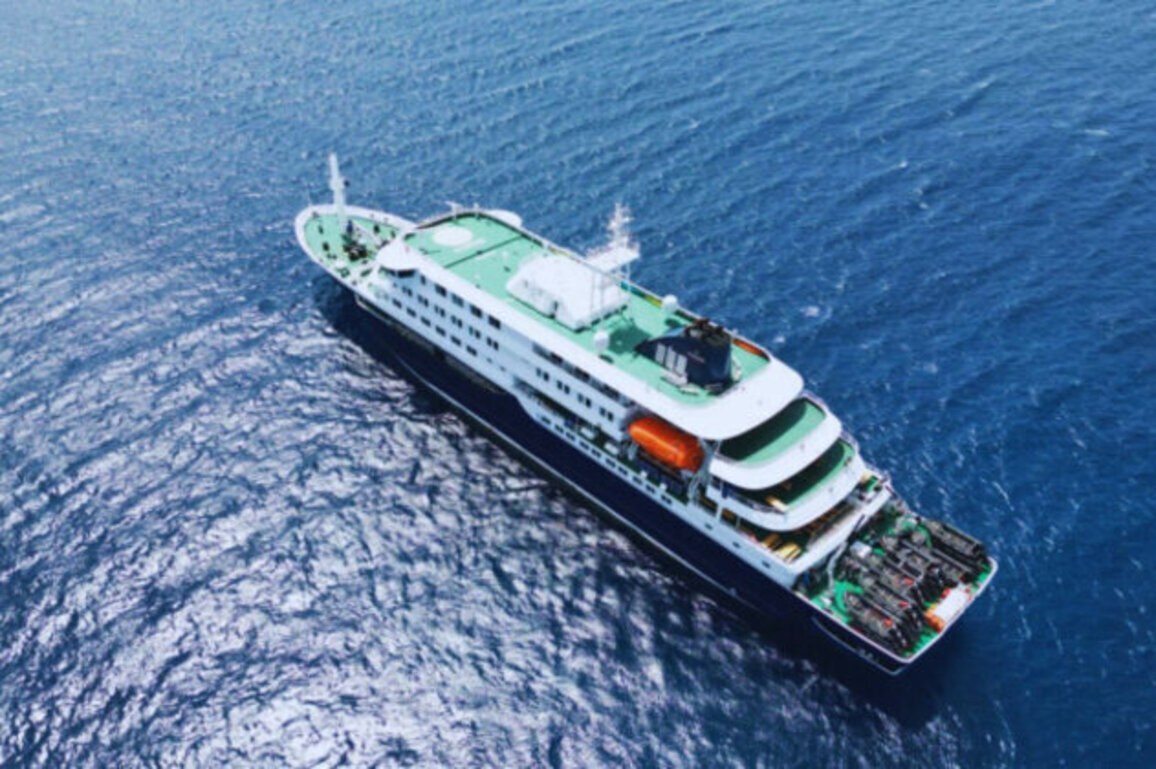
Authorities across Europe and Africa are racing to trace passengers linked to the Dutch-flagged cruise ship MV Hondius after a deadly hantavirus outbreak left at least three people dead and several others infected during a voyage across the South Atlantic.
The outbreak has triggered an international health response involving multiple countries, including the Netherlands, Spain, South Africa, Switzerland and Germany, while concerns continue to grow over the possibility of rare human-to-human transmission.
Dutch officials confirmed that around 40 passengers disembarked from the vessel during a stop on the remote island of Saint Helena. Among them was the wife of a 70-year-old Dutch passenger who became the first known fatality linked to the outbreak.
The man reportedly fell ill on April 6 with fever, headaches, stomach pain and diarrhea before dying on board five days later, at a time when the cause of his illness was still unknown. His wife later traveled with his body to South Africa, but she also became seriously ill during the journey. She was removed from a flight to the Netherlands because of her condition and later died in a Johannesburg hospital on April 26.
Cruise operator Oceanwide Expeditions initially acknowledged only that the Dutch woman had left the ship with her husband's remains. Authorities later revealed that dozens of additional passengers had also disembarked at Saint Helena.
The company now says it is attempting to trace everyone who boarded or left the vessel during the cruise. In a statement, Oceanwide Expeditions insisted that ?no symptomatic individuals are present on board? and added that all passengers showing signs of illness had already been evacuated for medical treatment.
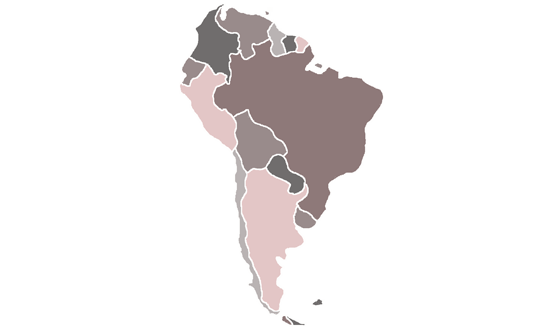
The cruise ship remains at the center of an increasingly complex international investigation. The MV Hondius departed from Tierra del Fuego on March 20 and later left Ushuaia on April 1 for a route that included Antarctica, the Falkland Islands and several Atlantic destinations before the itinerary was disrupted by the outbreak.
A British passenger was airlifted to Johannesburg after becoming critically ill, while a German woman later died after her condition rapidly deteriorated. Laboratory testing on May 2 confirmed hantavirus infection linked to one of the patients.
The World Health Organization said three suspected patients had since been evacuated and transferred toward Europe for treatment. WHO Director-General Tedros Adhanom Ghebreyesus stated that the overall public health risk currently remains low.
At the same time, WHO infectious disease expert Maria Van Kerkhove said investigators were examining whether limited person-to-person transmission may have occurred. Such cases are considered extremely uncommon with hantavirus infections. Officials believe the first infected passenger may already have been carrying the virus before boarding the vessel. Authorities also stressed that no rats had been found on the ship.
Health agencies in Switzerland and South Africa have reportedly identified a strain capable of spreading between humans in rare circumstances. A linked case has already been confirmed in Switzerland.
Meanwhile, a Dutch stewardess who briefly came into contact with the infected Dutch woman has been hospitalized in Amsterdam after developing possible symptoms. She was placed in isolation while testing continues.
Another contact person connected to the outbreak was transferred to Dsseldorf for precautionary testing at the infectious diseases unit of the local university hospital. German officials said the individual showed no symptoms and had not tested positive, but was admitted ?purely precautionary for medical evaluation.?
Spain has agreed to allow the ship to dock in Tenerife. Spanish authorities said the 14 Spanish passengers aboard would then be transferred to Madrid and quarantined for up to 45 days at the Hospital Central de la Defensa Gmez Ulla, home to one of the country's highest-level isolation units originally established after the 2014 Ebola crisis.
Hantaviruses are typically spread through airborne particles from rodent droppings and can cause severe illnesses affecting either the lungs or kidneys. According to the Centers for Disease Control and Prevention, the diseases linked to hantavirus infections can lead to respiratory failure, kidney complications and, in severe cases, death.