

MOSCOW, Russia: After a monument to Russians and other people executed by Soviet leader Josef Stalin's secret police was dismantled in Siberia, four European states accused Russia of trying to destroy Stalin's memory of his crimes against his people.
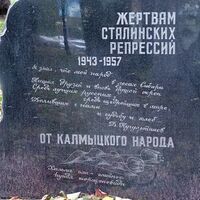
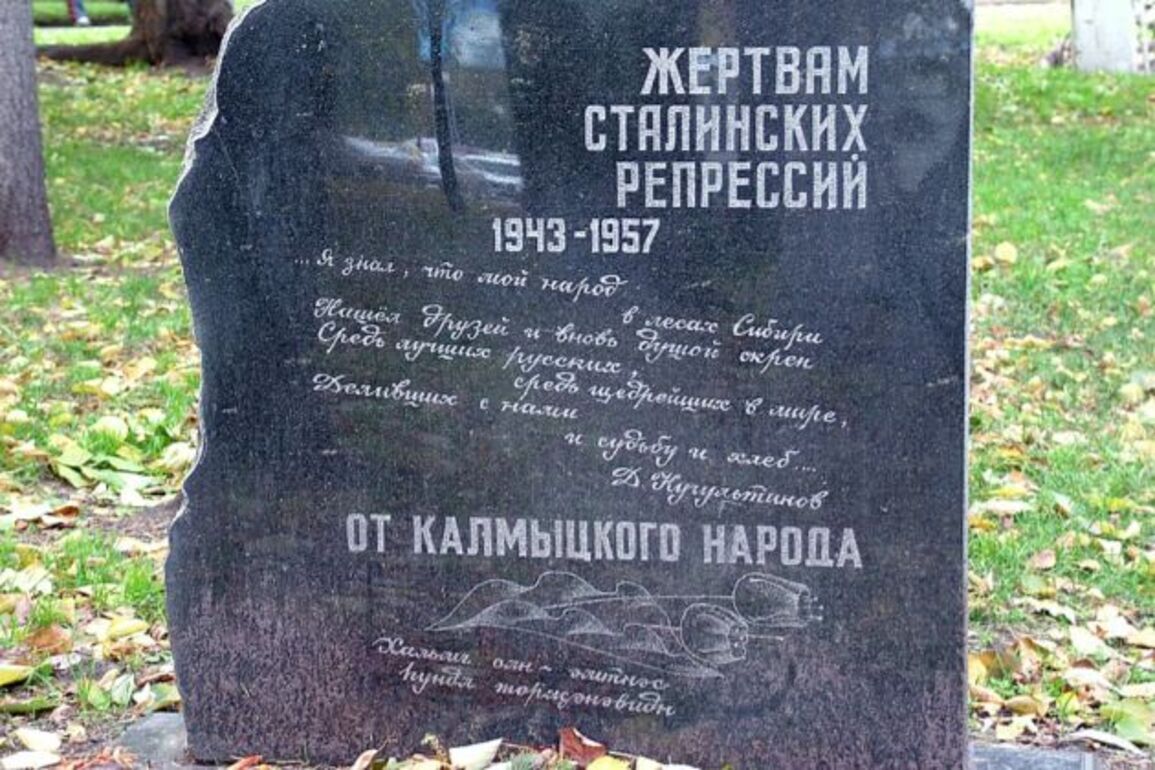
On April 19, residents of Tomsk discovered that a memorial complex to victims of Stalin's secret police, including a so-called "Stone of Grief" and a memorial arch, had been dismantled overnight.
The mayor's office first said it acted after a resident warned that a nearby garage built on a slope might collapse. Later, it deleted this explanation and refused to comment further.
The Tomsk memorial complex was built on land believed to be a mass grave of people executed by the NKVD secret police. A former prison building, now a museum, overlooks the site.
The memorial honored victims from different periods of Soviet history, including Stalin's 1937–38 "Great Terror," during which about 700,000 people were executed, according to official estimates.
The embassies of Poland, Estonia, Lithuania, and Latvia strongly protested, calling the removal a "barbaric act" and demanding that the site be restored. They said memorial stones for their own citizens killed during the "Great Terror" were also removed.
They stressed that it is important to remember the victims so such crimes are not repeated, saying memory cannot be erased.
Russia's Foreign Ministry did not immediately respond.
Moscow, meanwhile, has criticized Poland and the Baltic countries for removing Soviet army monuments, calling it immoral. Russia says the Red Army freed these countries from Nazi Germany in World War II, but those countries view it as an occupation.
The removal of the Tomsk memorial came after Russia's Supreme Court labeled the human rights group Memorial as "extremist." The group, founded in the late 1980s to document Soviet-era repression, rejected the claim, but its work is now banned in Russia.
The move also followed a request by nationalist lawmaker Andrei Lugovoi to review the legality of the Solovetsky Stone in central Moscow, a major monument to victims of Stalin. He claimed it had become a place for Western diplomats to gather and criticize Russia.
At the same time, Moscow's main Gulag museum is being changed to focus on Nazi crimes against Soviet citizens during World War II.
President Vladimir Putin has also signed a decree renaming the FSB academy after Felix Dzerzhinsky, the founder of the Soviet secret police and a key figure behind the "Red Terror."